
Letters From a Farmer in Pennsylvania, to the Inhabitants of the British Colonies
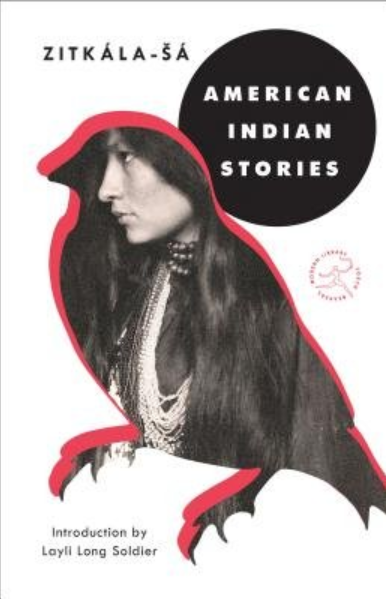
American Indian Stories

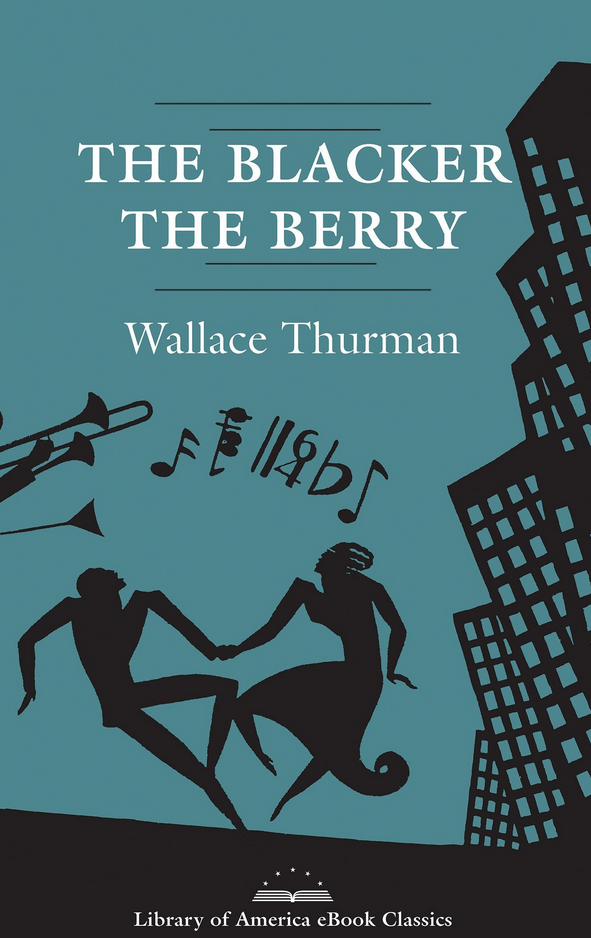
The Blacker the Berry: A Novel of Negro Life

The Blacker the Berry (1929), Wallace Thurman’s debut novel, broke new ground as an exploration of issues of “colorism,” intra-racial prejudice, and internalized racism in African American life. Its protagonist, the young Emma Lou Morgan, is simply “too dark” for a world in which every kind of advancement seems to require a light complexion. Seeking acceptance and opportunity, she moves––much like the dark-skinned young Thurman had, four years before the novel’s publication––from Idaho to California to New York. Harlem, the “city of surprises,” is in many ways the novel’s true subject, its low-down, licentious streets, glittering cabarets, and variegated cast of characters offering a rich backdrop for Emma Lou’s ambivalent, picaresque progress.
More Adult, Non-Juvenile Books

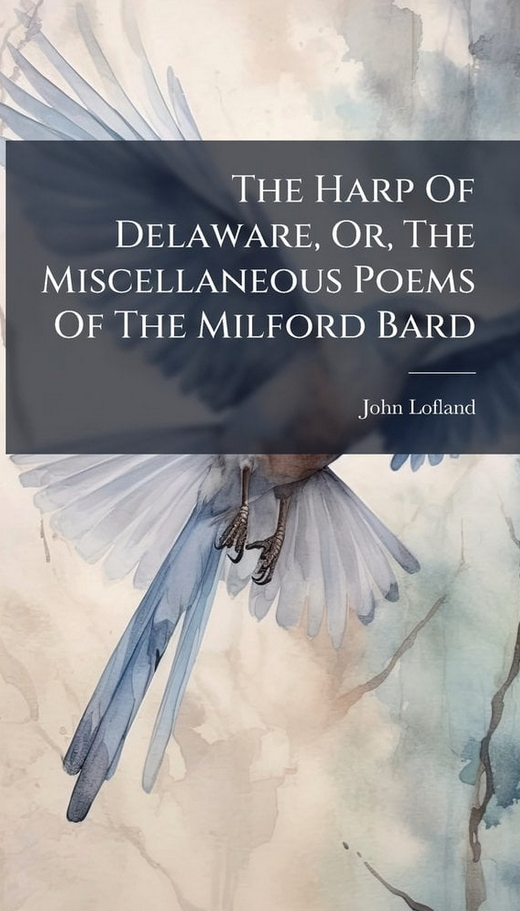
  • Discover the lyrical beauty of early American verse in "The Harp Of Delaware, Or, The Miscellaneous Poems Of The Milford Bard" by John Lofland. This collection presents a vibrant tapestry of 19th-century poetic expressions, reflecting the cultural and historical nuances of Delaware. Lofland, known as the Milford Bard, captures the essence of his time through evocative language and heartfelt themes.
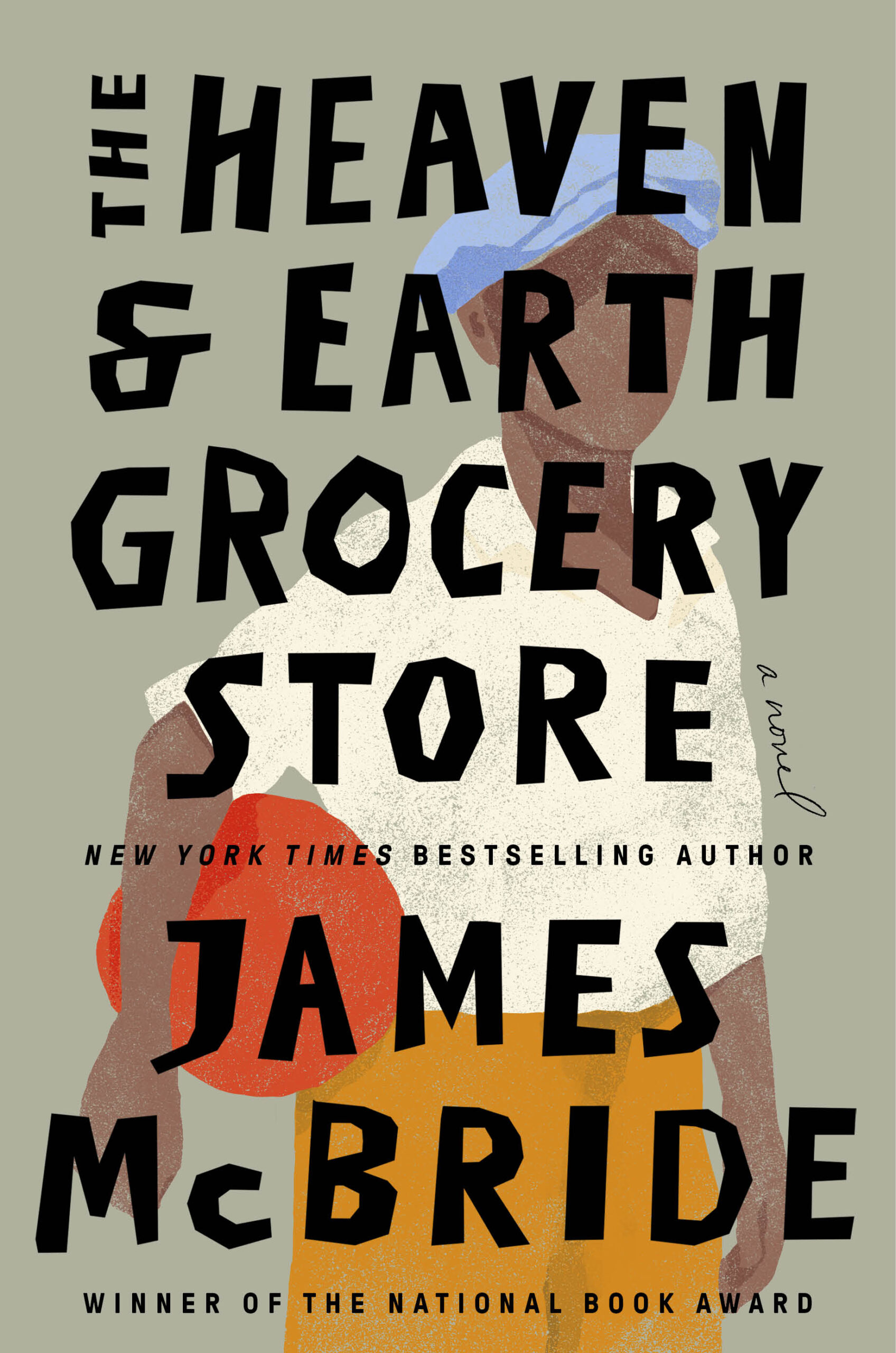
  • In The Heaven & Earth Grocery Store, James McBride explores the intertwined lives of the residents of Chicken Hill, a neighborhood where immigrant Jews and African Americans coexist amid struggles and secrets. As the community rallies to protect a deaf boy from institutionalization, the narrative reveals the deep bonds of love and resilience that sustain them, even in the face of adversity and the oppressive forces of society.
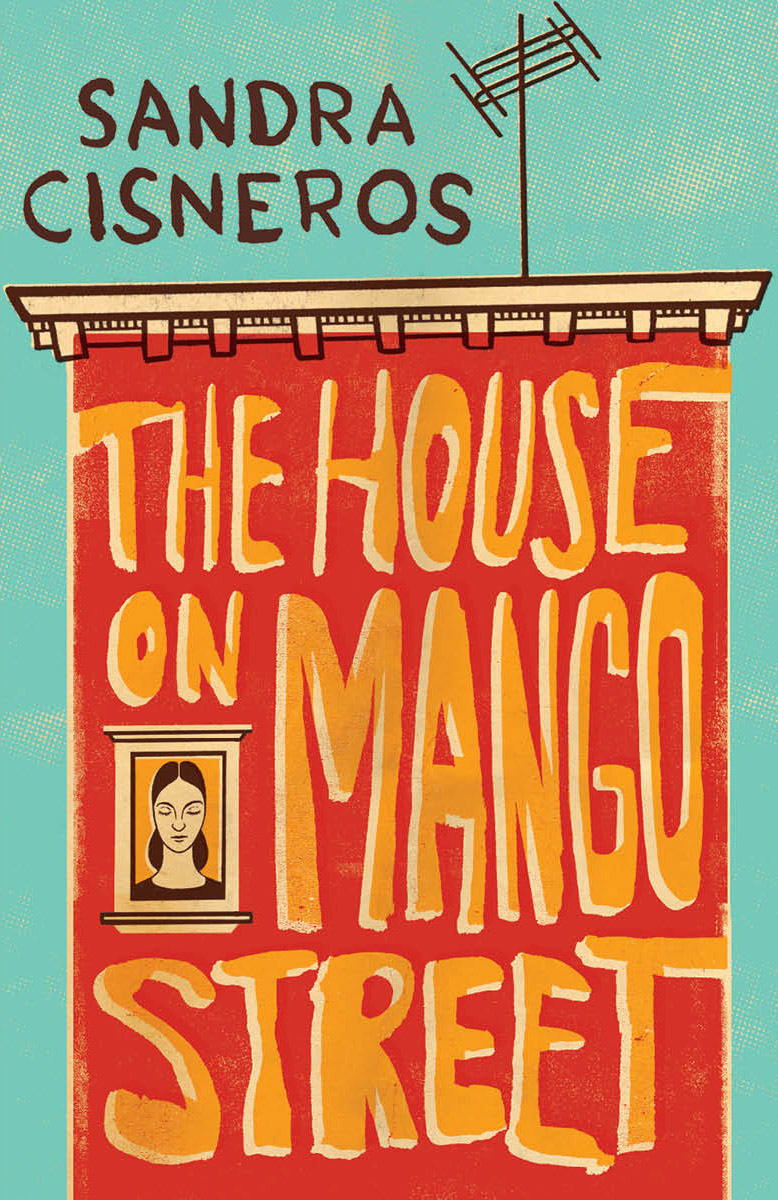
  • The House on Mango Street is a poignant coming-of-age novel that follows Esperanza Cordero as she navigates her childhood in Chicago, exploring her identity and aspirations. Through a series of beautifully crafted vignettes, Sandra Cisneros captures the essence of self-discovery and the importance of telling one's story, making it a cherished classic in American literature.
  • Told in a series of vignettes—sometimes heartbreaking, sometimes joyous—Cisneros’s masterpiece is a classic story of childhood and self-discovery and one of the greatest neighborhood novels of all time.