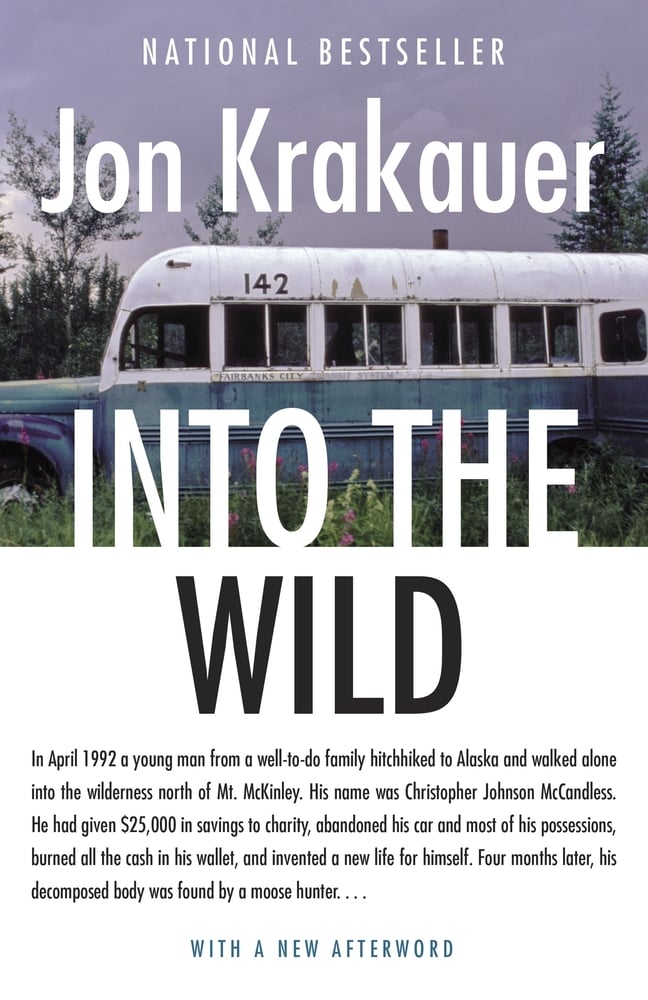
Into the Wild
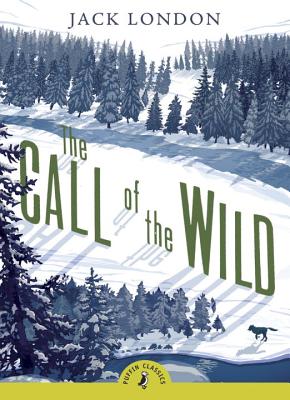
The Call of the Wild

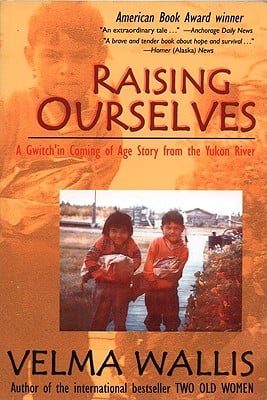
Raising Ourselves

Velma Wallis shares the love, loss, and struggle that mark her coming of age in a two-room cabin at Fort Yukon, Alaska, where she is born in 1960, the sixth of thirteen children. Family life is defined by the business of survival: Haul water from the Yukon. Kill a moose. Chop firewood. Feed the sled dogs staked around the cabin. Run the trap line. Catch salmon. It is a time of innocence and laughter, too, as the children escape into a world of play under the midnight sun. The once-migratory family has settled at the confluence of two she is born in 1960, the sixth of thirteen children. Family life is defined by the business of survival: Haul water from the Yukon. Kill a moose. Chop firewood. Feed the sled dogs staked around the cabin. Run the trap line. Catch salmon. It is a time of innocence and laughter, too, as the children escape into a world of play under the midnight sun.

More Adult, Non-Juvenile Books

  • Discover the lyrical beauty of early American verse in "The Harp Of Delaware, Or, The Miscellaneous Poems Of The Milford Bard" by John Lofland. This collection presents a vibrant tapestry of 19th-century poetic expressions, reflecting the cultural and historical nuances of Delaware. Lofland, known as the Milford Bard, captures the essence of his time through evocative language and heartfelt themes.
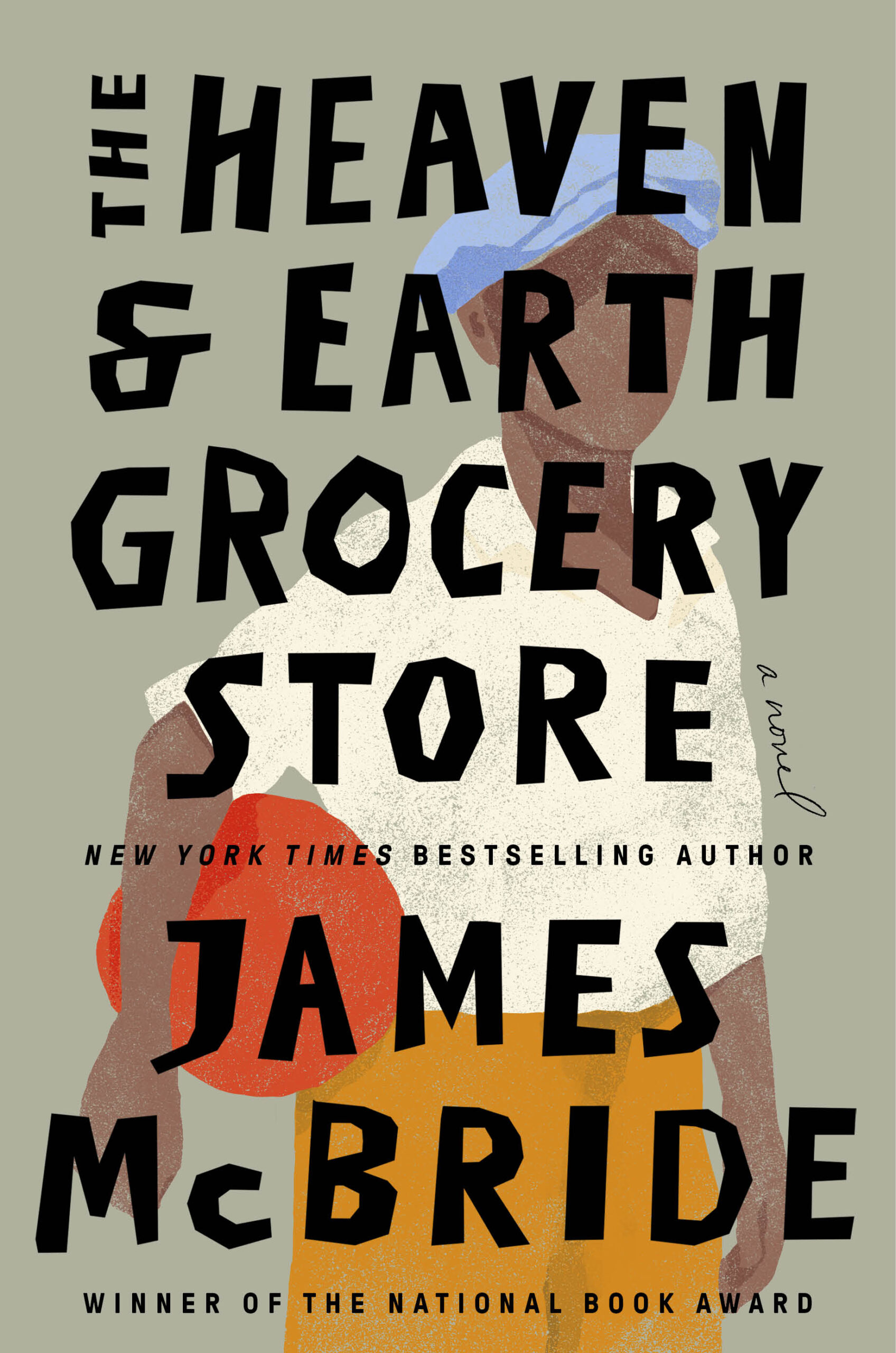
  • In The Heaven & Earth Grocery Store, James McBride explores the intertwined lives of the residents of Chicken Hill, a neighborhood where immigrant Jews and African Americans coexist amid struggles and secrets. As the community rallies to protect a deaf boy from institutionalization, the narrative reveals the deep bonds of love and resilience that sustain them, even in the face of adversity and the oppressive forces of society.
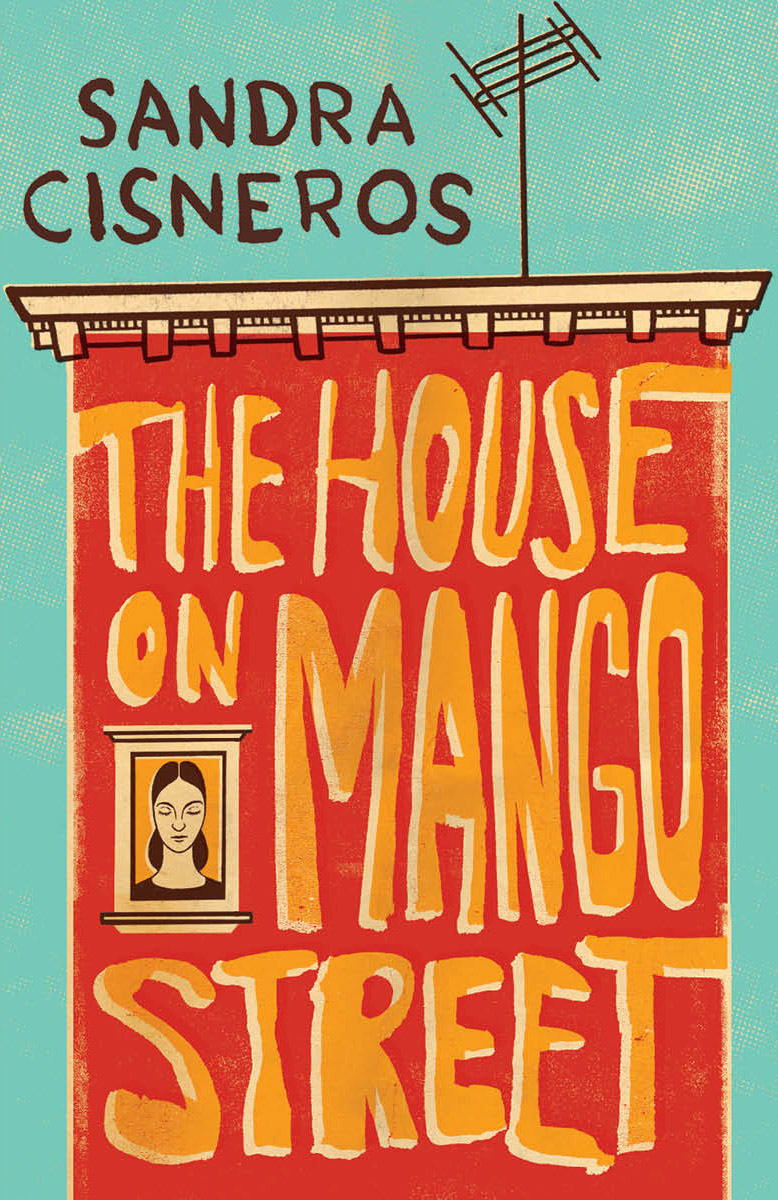
  • The House on Mango Street is a poignant coming-of-age novel that follows Esperanza Cordero as she navigates her childhood in Chicago, exploring her identity and aspirations. Through a series of beautifully crafted vignettes, Sandra Cisneros captures the essence of self-discovery and the importance of telling one's story, making it a cherished classic in American literature.
  • Told in a series of vignettes—sometimes heartbreaking, sometimes joyous—Cisneros’s masterpiece is a classic story of childhood and self-discovery and one of the greatest neighborhood novels of all time.