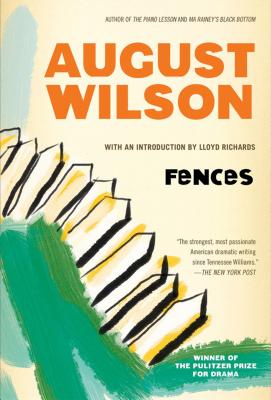

Fences
Red Paint: The Ancestral Autobiography of a Coast Salish Punk

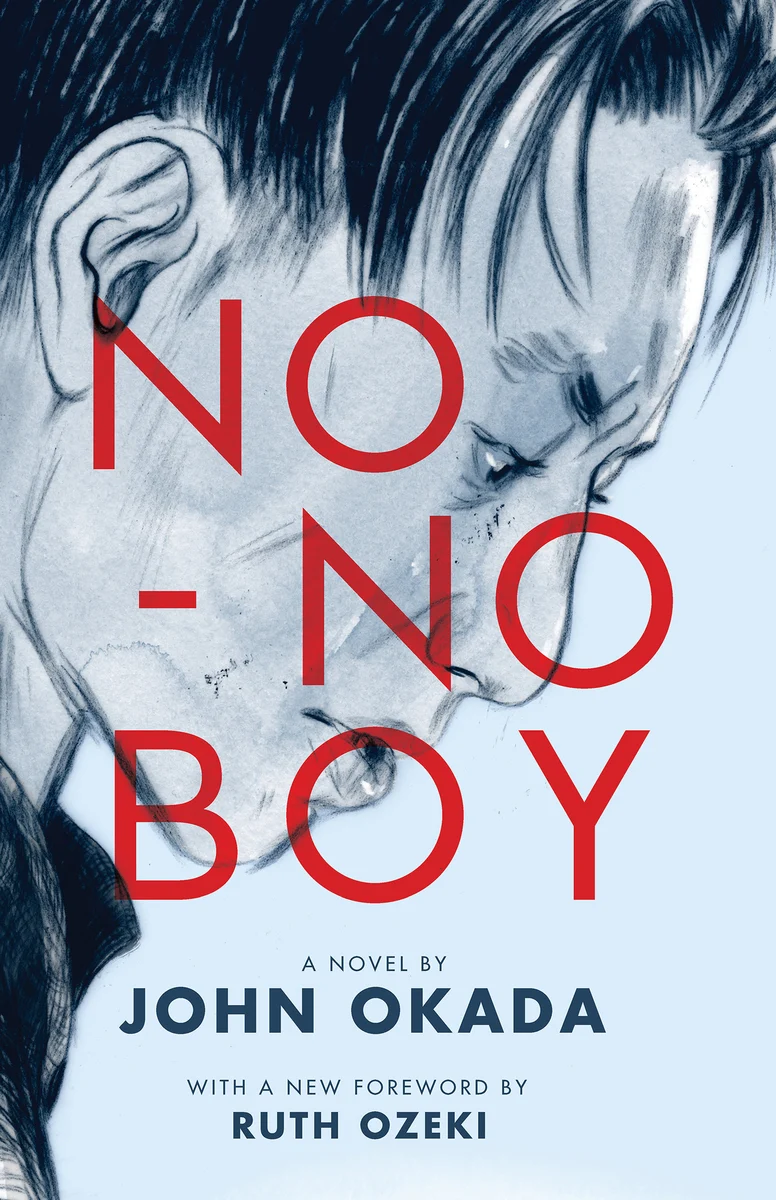
No-No Boy

“No-No Boy has the honor of being among the first of what has become an entire literary canon of Asian American literature,” writes novelist Ruth Ozeki in her new foreword. First published in 1957, No-No Boy was virtually ignored by a public eager to put World War II and the Japanese internment behind them. It was not until the mid-1970s that a new generation of Japanese American writers and scholars recognized the novel’s importance and popularized it as one of literature’s most powerful testaments to the Asian American experience.

No-No Boy tells the story of Ichiro Yamada, a fictional version of the real-life “no-no boys.” Yamada answered “no” twice in a compulsory government questionnaire as to whether he would serve in the armed forces and swear loyalty to the United States. Unwilling to pledge himself to the country that interned him and his family, Ichiro earns two years in prison and the hostility of his family and community when he returns home to Seattle. As Ozeki writes, Ichiro’s “obsessive, tormented” voice subverts Japanese postwar “model-minority” stereotypes, showing a fractured community and one man’s “threnody of guilt, rage, and blame as he tries to negotiate his reentry into a shattered world.”

The first edition of No-No Boy since 1979 presents this important work to new generations of readers.
More Adult Books

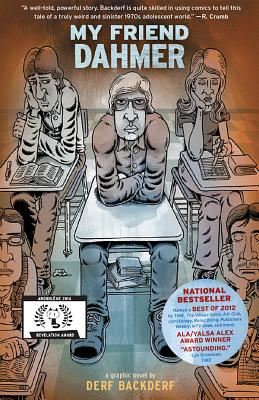
  • A national bestseller, Derf Backderf’s Alex Award winner My Friend Dahmer is the bone-chilling graphic novel that inspired the major motion picture.
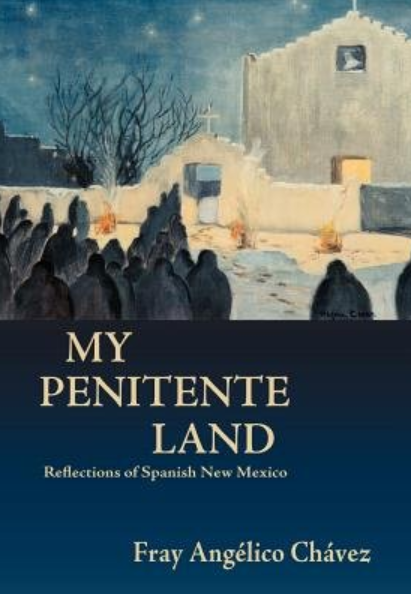
  • This unusual book, Fray Angélico Chávez’s personal meditation on his cultural heritage, is also a kind of spiritual autobiography of the Hispano people of New Mexico. The spirit of New Mexico, he feels, grows out of its dry mountain terrain whose hills and valleys resemble those of Spain and of ancient Palestine. Just as this kind of landscape helped the Hebrew shepherd Abraham to find his God, so in Fray Angélico’s view, have New Mexico’s mountains kept her people close to their God. In evoking this special closeness between the divine and the human, the author returns repeatedly to the Penitentes [...]
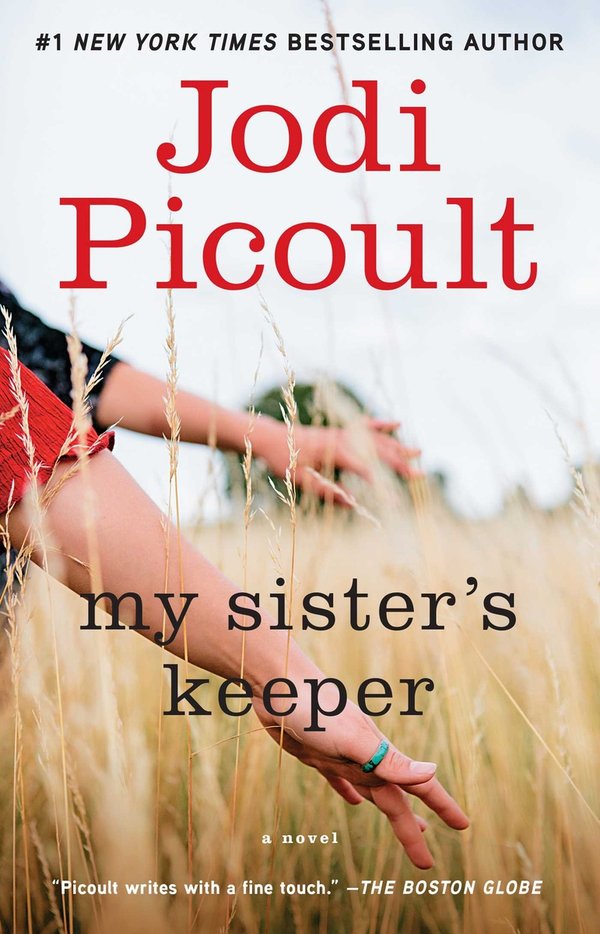
  • Anna is not sick, but she might as well be. By age thirteen, she has undergone countless surgeries, transfusions, and shots so that her older sister, Kate, can somehow fight the leukemia that has plagued her since childhood. The product of preimplantation genetic diagnosis, Anna was conceived as a bone marrow match for Kate—a life and a role that she has never challenged…until now. Like most teenagers, Anna is beginning to question who she truly is. But unlike most teenagers, she has always been defined in terms of her sister—and so Anna makes a decision that for most would be unthinkable, [...]
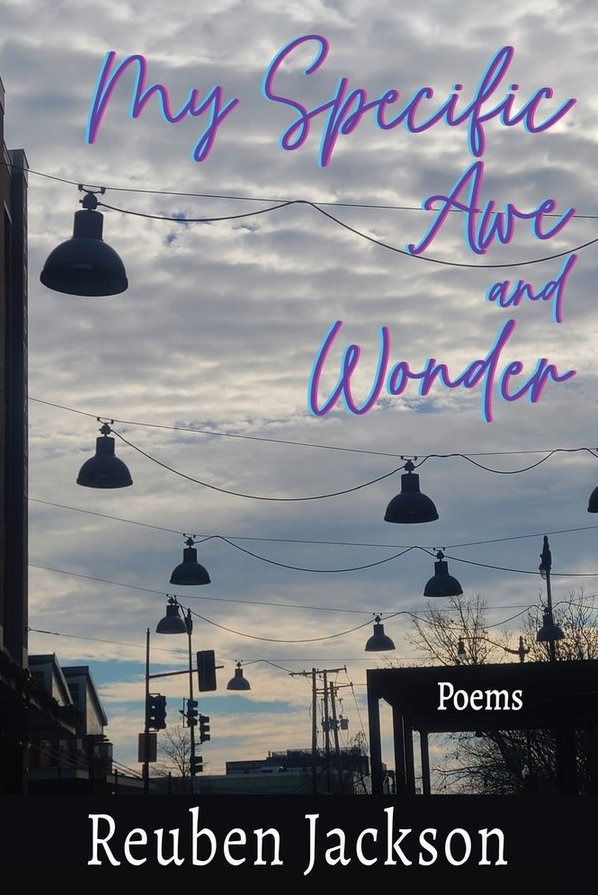
  • Reuben Jackson's rhythmic and musical poems merge love, beauty, justice, and the lived Black experience in America.