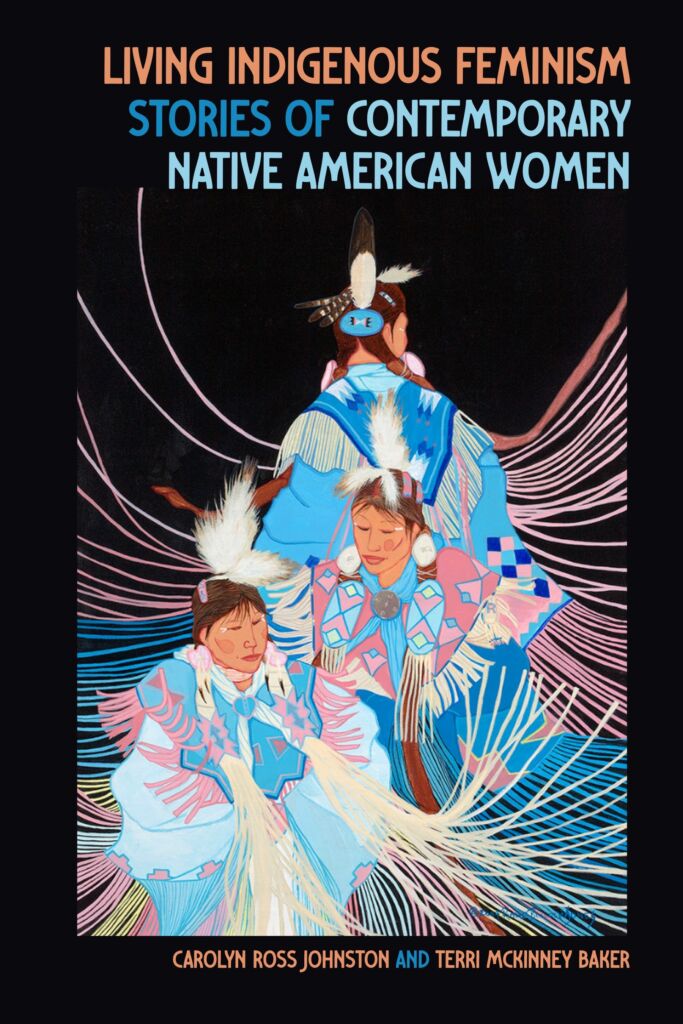
Living Indigenous Feminism: Stories of Contemporary Native American Women
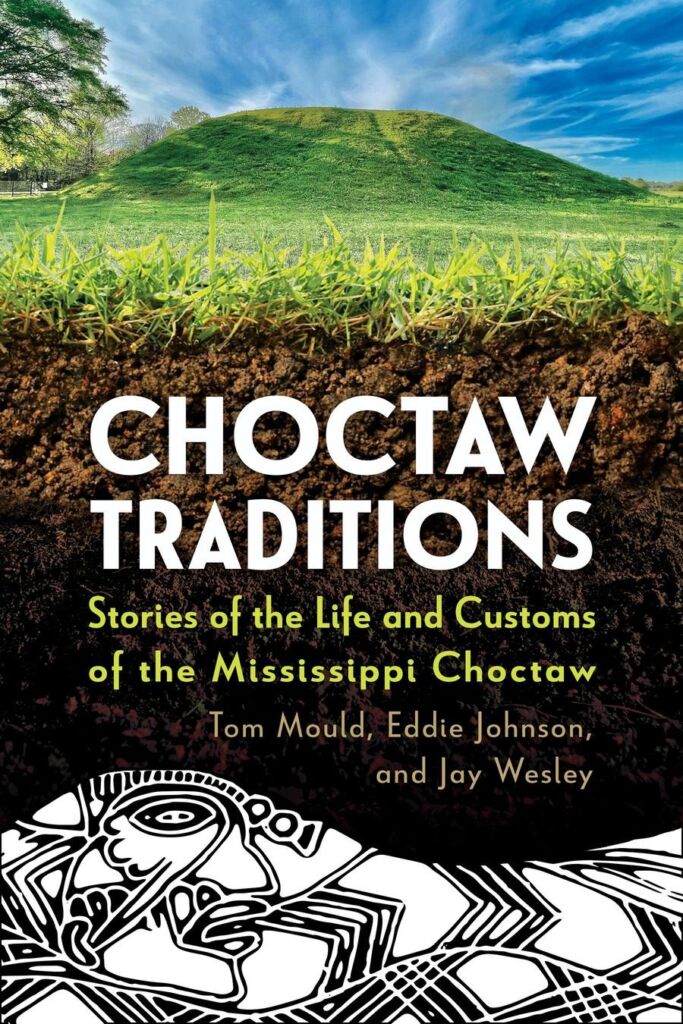
Choctaw Traditions: Stories of the Life and Customs of the Mississippi Choctaw

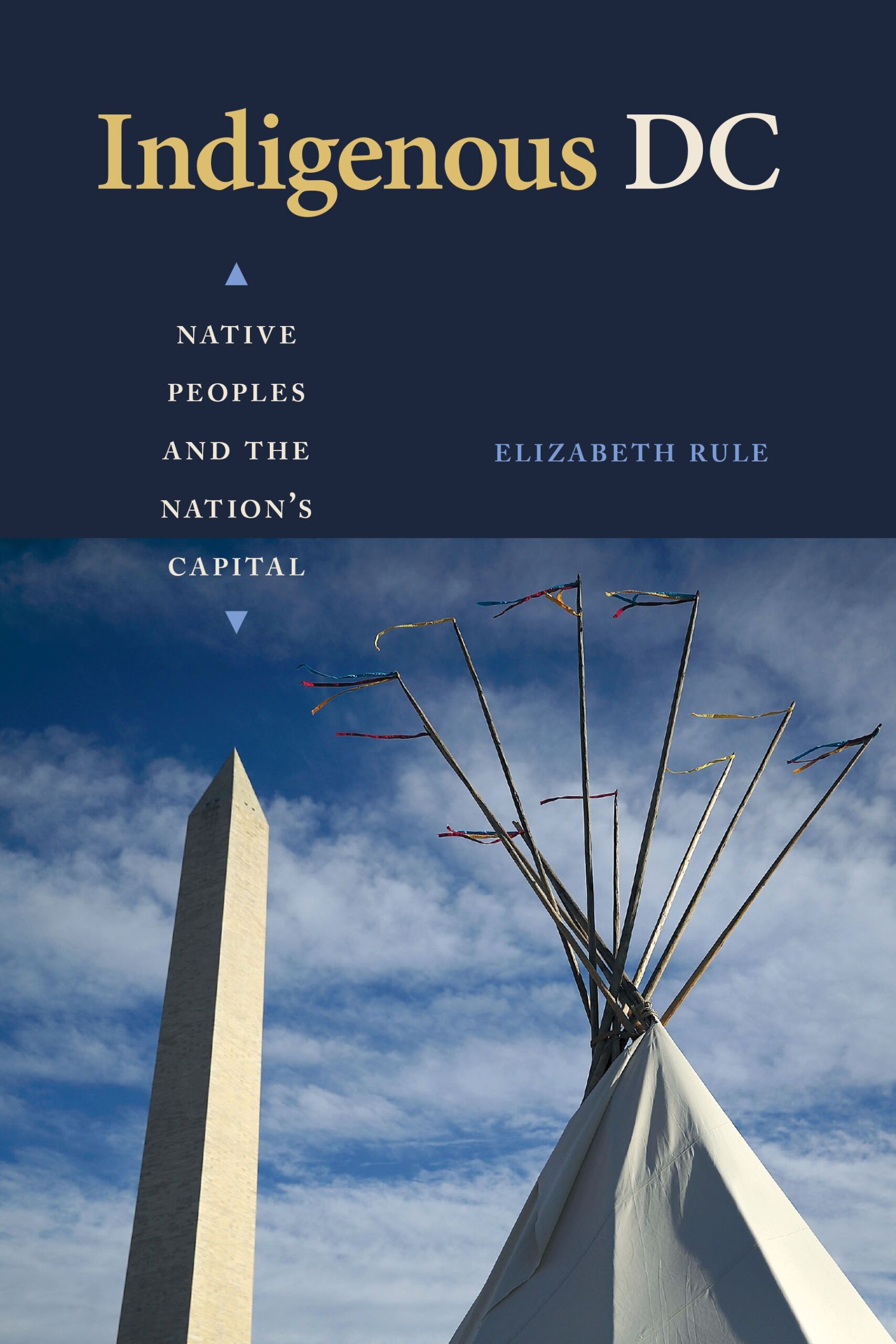
Indigenous DC: Native Peoples and the Nation’s Capital

Washington, DC, is Indian land, but Indigenous peoples are often left out of the national narrative. To redress this myth of invisibility, Indigenous DC by Elizabeth Rule shines a light upon the contributions of Indigenous tribal leaders and politicians, artists and activists to the rich history of the District of Columbia.

Inspired by Rule’s award-winning public history mobile app and decolonial mapping project, Guide to Indigenous DC, this book underscores that all land is Native land through a narrative arc that encompasses an account of the original inhabitants who call the District their traditional territory and members of the Indigenous diaspora who have made community in the U.S. capital. Rule maps and analyzes both historical and contemporary sites of Indigenous importance, including Theodore Roosevelt Island, the land upon which the Nacotchtank community sought refuge from encroaching urban development in the mid-17th century; the White House lawn, where archaeological materials from the Archaic and Woodlands periods were excavated; and Anacostia and the Potomac, whose names have their roots in Indigenous languages. Published by Georgetown University Press

More Adult, Non-Juvenile Books

  • A compelling and growing body of research has shown music and arts therapies to be effective tools for addressing a widening array of conditions...
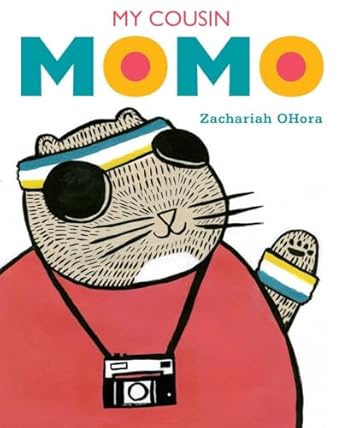
  • My Cousin Momo tells the story of a flying squirrel who visits his excited cousins. Despite his quirky games and reluctance to fly, they learn to embrace Momo's unique ways, discovering that differences can lead to fun and friendship.
  • A national bestseller, Derf Backderf’s Alex Award winner My Friend Dahmer is the bone-chilling graphic novel that inspired the major motion picture.
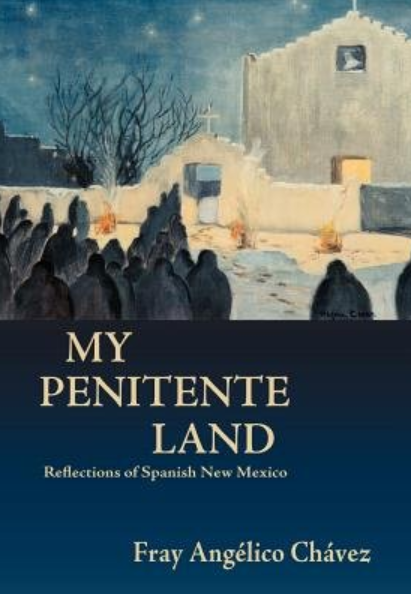
  • This unusual book, Fray Angélico Chávez’s personal meditation on his cultural heritage, is also a kind of spiritual autobiography of the Hispano people of New Mexico. The spirit of New Mexico, he feels, grows out of its dry mountain terrain whose hills and valleys resemble those of Spain and of ancient Palestine. Just as this kind of landscape helped the Hebrew shepherd Abraham to find his God, so in Fray Angélico’s view, have New Mexico’s mountains kept her people close to their God. In evoking this special closeness between the divine and the human, the author returns repeatedly to the Penitentes [...]