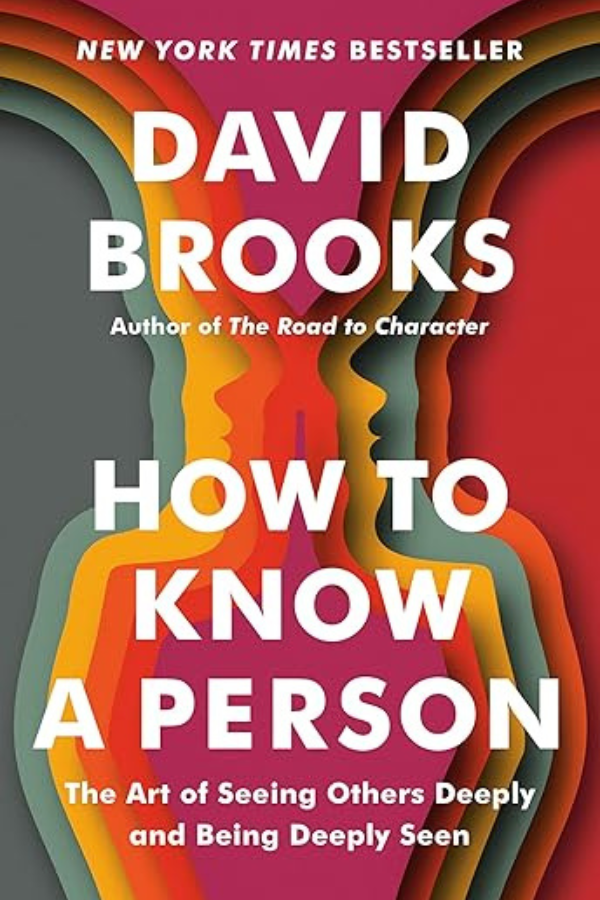
How to Know a Person by David BrooksHow to Know a Person: The Art of Seeing Others Deeply and Being Deeply Seen
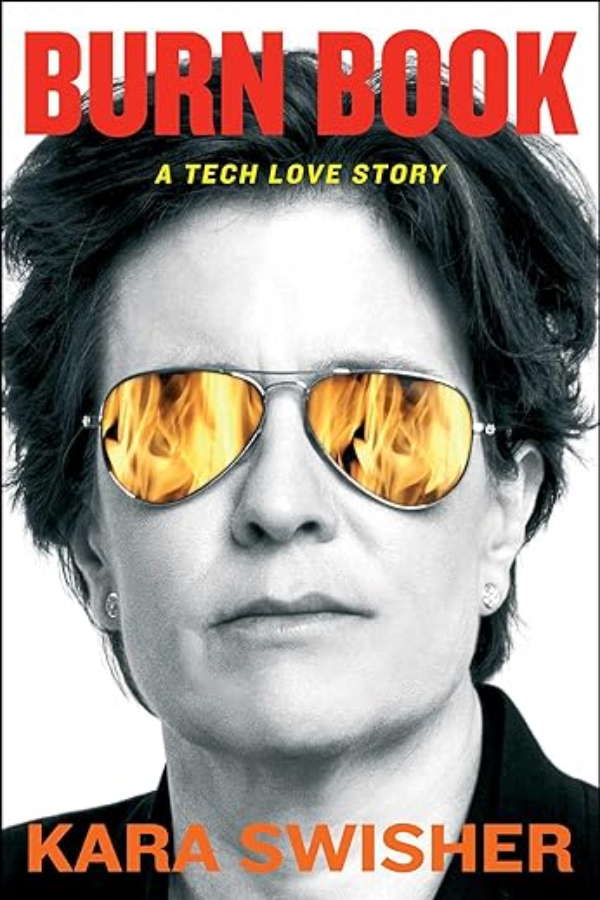
Burn Book by Kara SwisherThe Burn Book

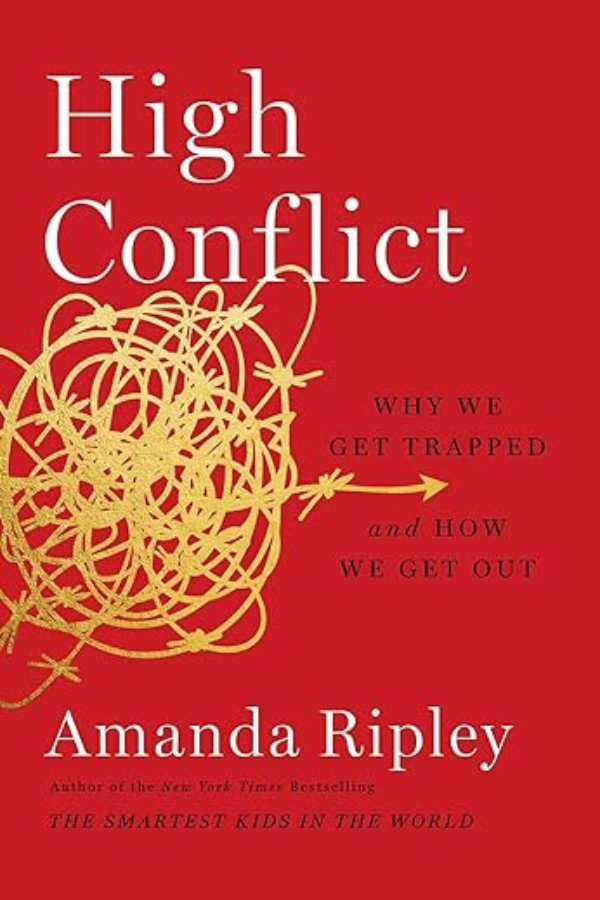
High Conflict

High Conflict: Why We Get Trapped and How We Get Out by Amanda Ripley

When we are baffled by the insanity of the “other side”—in our politics, at work, or at home—it’s because we aren’t seeing how the conflict itself has taken over. That’s what “high conflict” does. It’s the invisible hand of our time. And it’s different from the useful friction of healthy conflict. That’s good conflict, and it’s a necessary force that pushes us to be better people.High conflict, by contrast, is what happens when discord distills into a good-versus-evil kind of feud, the kind with an us and a them. In this state, the normal rules of engagement no longer apply. The brain behaves differently. We feel increasingly certain of our own superiority and, at the same time, more and more mystified by the other side. New York Times bestselling author and award-winning journalist Amanda Ripley investigates how good people get captured by high conflict—and how they break free.
More Adult Books

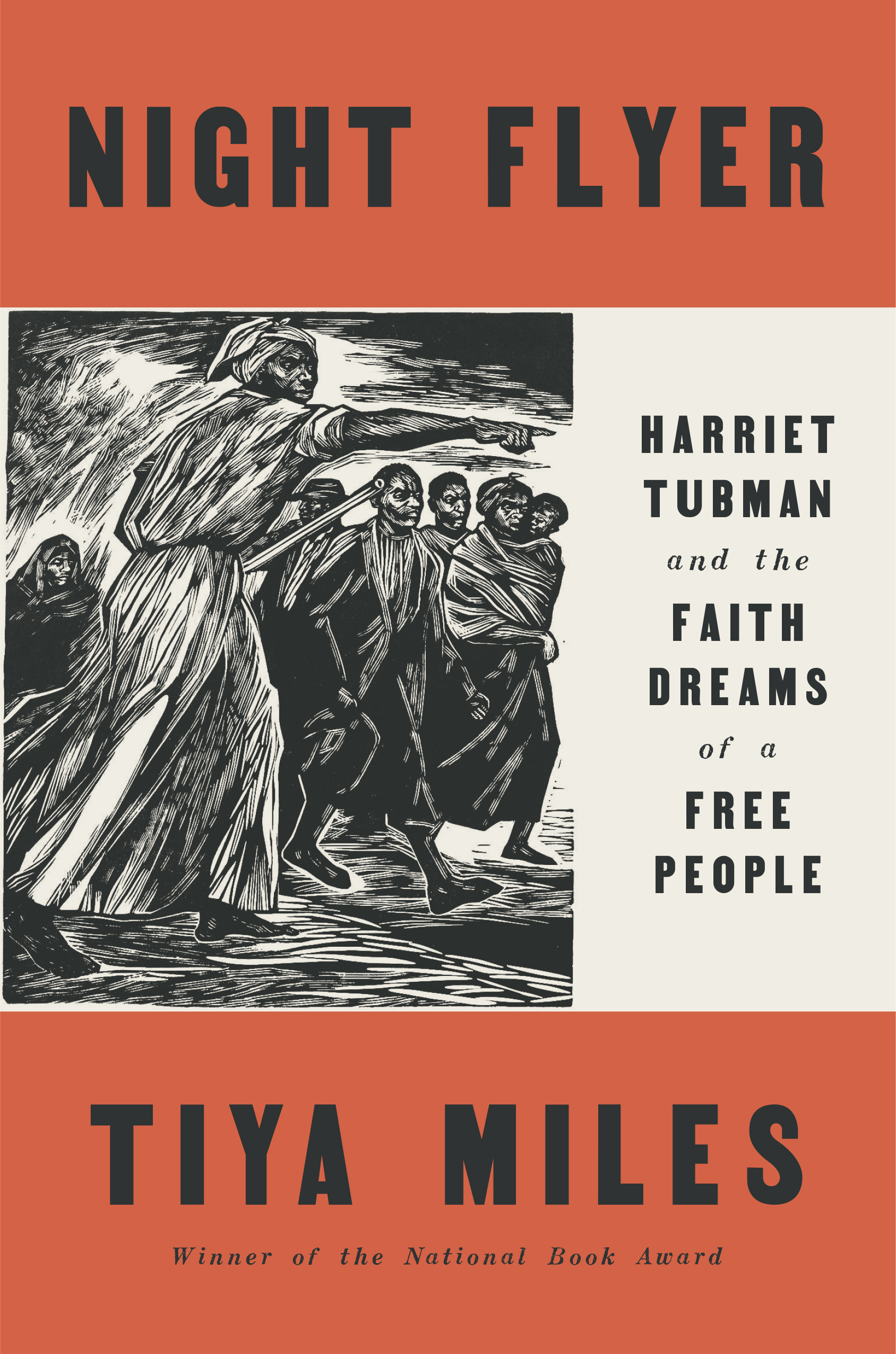
  • Harriet Tubman is among the most famous Americans ever born and soon to be the face of the twenty-dollar bill.
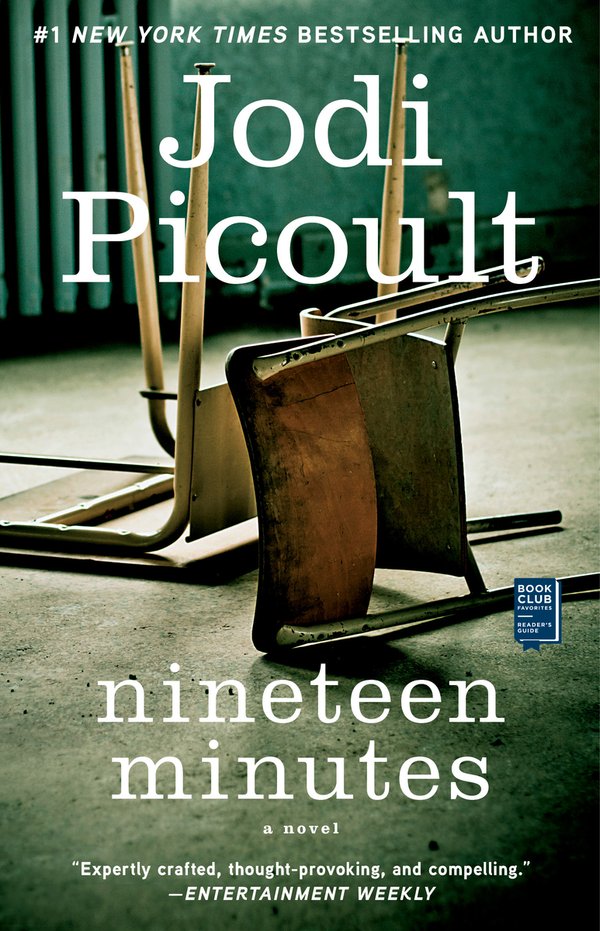
  • Sterling is an ordinary New Hampshire town where nothing ever happens–until the day its complacency is shattered by a school shooting. Josie Cormier, the daughter of the judge sitting on the case, should be the state’s best witness, but she can’t remember what happened before her very own eyes–or can she? As the trial progresses, fault lines between the high school and the adult community begin to show–destroying the closest of friendships and families. Nineteen Minutes asks what it means to be different in our society, who has the right to judge someone else, and whether anyone is ever really who [...]
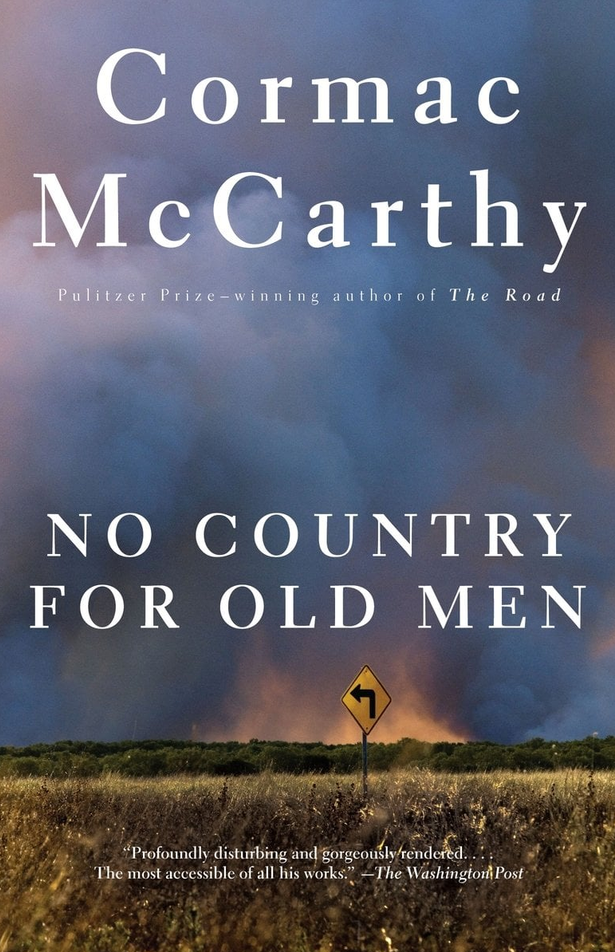
  • One day, a good old boy named Llewellyn Moss finds a pickup truck surrounded by a bodyguard of dead men.
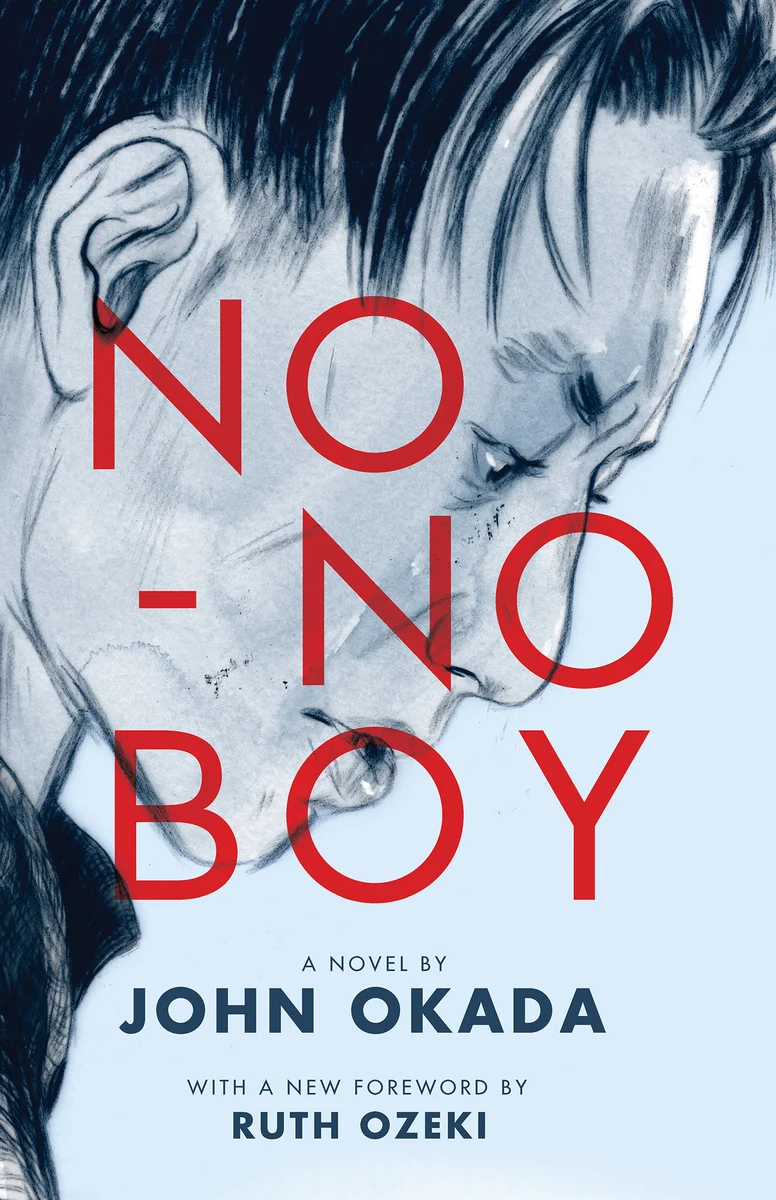
  • It was not until the mid-1970s that a new generation of Japanese American writers and scholars recognized the novel's importance and popularized it as one of literature's most powerful testaments to the Asian American experience.