

Dual Identities: Living in Meier’s Shadow
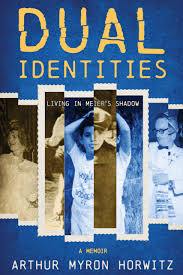
A Faux Photo. A Heavy Burden. Two Lives, Forever Intertwined.
“You hear nothing!” his mother shouts. But like many young children of Holocaust survivors, Arthur hears too much. And his mother, Sally Finkelstein Horwitz, has a lot to say. About heroism and horror. Resilience and remorse. Antisemitism and spineless American Jews.
Hiding in closets or a bathtub, Arthur absorbs the tales she shares with friends and other survivors. One day, seeking to swipe a few bucks, Arthur discovers an iconic Holocaust image of a terrified boy tucked in among the other photos in the sleeves of his mother’s wallet. “Who’s this?” he demands to know. She insists it’s her little brother Meier, who was murdered by the Nazis. But Arthur knows it isn’t. The photo further cements his growing understanding that he’s been saddled with the responsibility of living two lives-his and the one Meier never had. It’s a burden that will shape Arthur’s life, family, and media career.
Dual Identities: Living in Meier’s Shadow removes filters previously inhibiting children of survivors from sharing their own unvarnished growing-up-in-America stories while providing new insights on the impact of intergenerational trauma and the path to coping, healing, reconciliation, and remembrance.