
The Blacker the Berry: A Novel of Negro Life
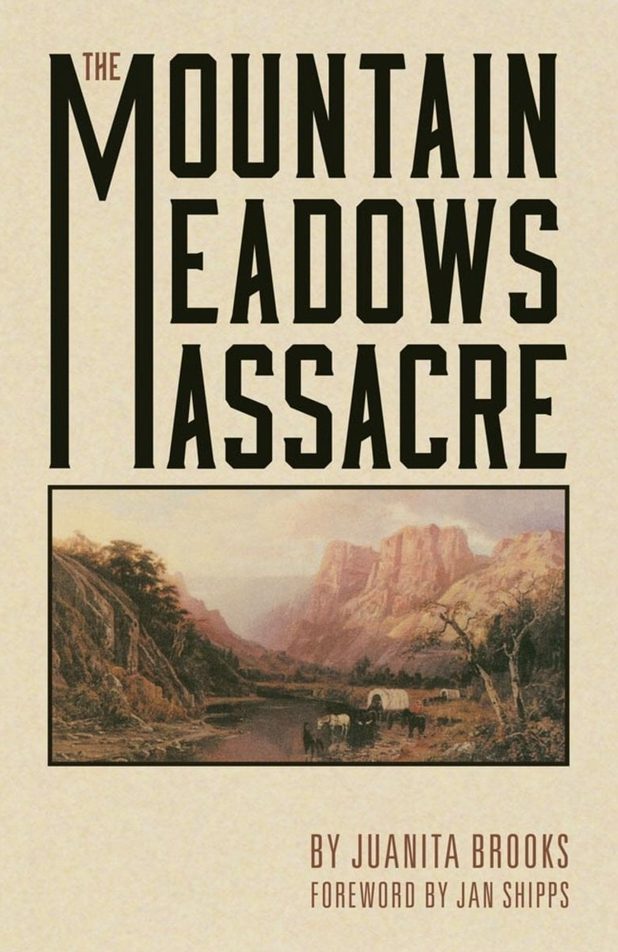
The Mountain Meadows Massacre

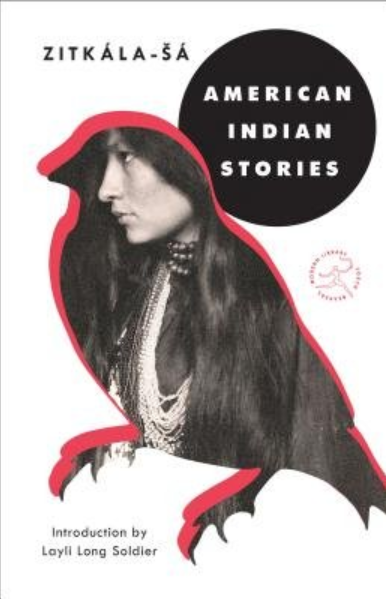
American Indian Stories

Bright and carefree, Zitkála-Šá grows up on the Yankton Sioux reservation in South Dakota with her mother until Quaker missionaries arrive, offering the reservation’s children a free education. The catch: They must leave their parents behind and travel to Indiana. Curious about the world beyond the reservation, Zitkála-Šá begs her mother to let her go—and her mother, aware of the advantages that an education offers, reluctantly agrees.

But the missionary school is not the adventure that Zitkála-Šá expected: The school is a strict one, her long hair is cut short, and only English is spoken. She encounters racism and ridicule. Slowly, Zitkála-Šá adapts to her environment—excelling at her studies, winning prizes for essay-writing and oration. But the price of success is estrangement from her cultural roots—and is it one she is willing to pay?

Combining Zitkála-Šá’s childhood memories, her short stories, and her poetry, American Indian Stories is the origin story of an activist in the making, a remarkable woman whose extraordinary career deserves wider recognition.

More Adult, Non-Juvenile Books

  • A national bestseller, Derf Backderf’s Alex Award winner My Friend Dahmer is the bone-chilling graphic novel that inspired the major motion picture.
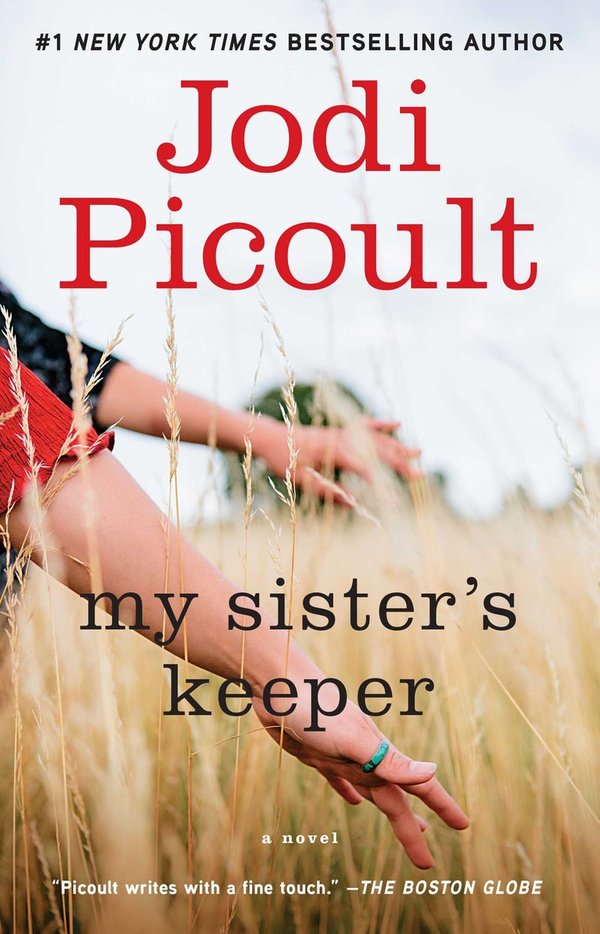
  • Anna is not sick, but she might as well be. By age thirteen, she has undergone countless surgeries, transfusions, and shots so that her older sister, Kate, can somehow fight the leukemia that has plagued her since childhood. The product of preimplantation genetic diagnosis, Anna was conceived as a bone marrow match for Kate—a life and a role that she has never challenged…until now. Like most teenagers, Anna is beginning to question who she truly is. But unlike most teenagers, she has always been defined in terms of her sister—and so Anna makes a decision that for most would be unthinkable, [...]
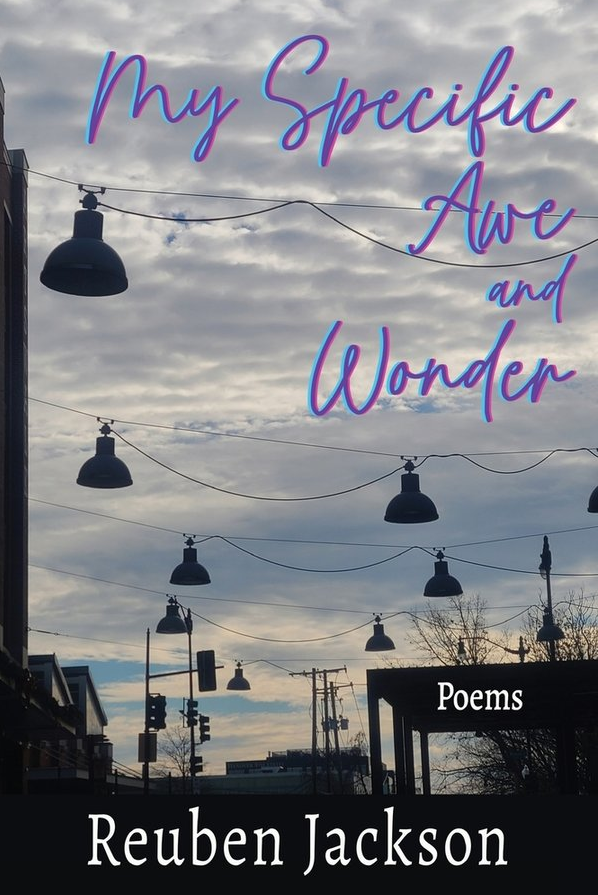
  • Reuben Jackson's rhythmic and musical poems merge love, beauty, justice, and the lived Black experience in America.
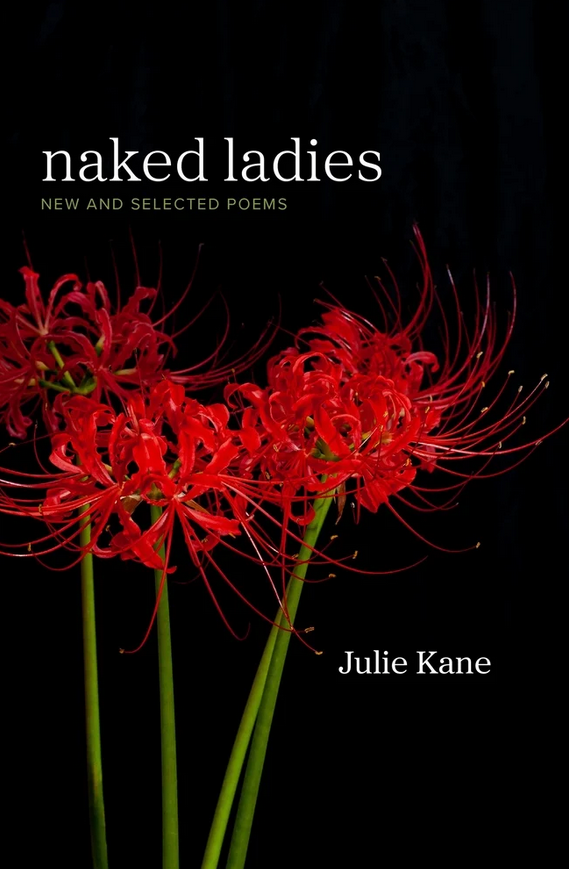
  • The title of this milestone collection acknowledges Kane's place in the tradition of women confessional poets, evokes the nickname of a common Louisiana flower, and nods to the honesty and frankness that characterize her poems' speakers.