


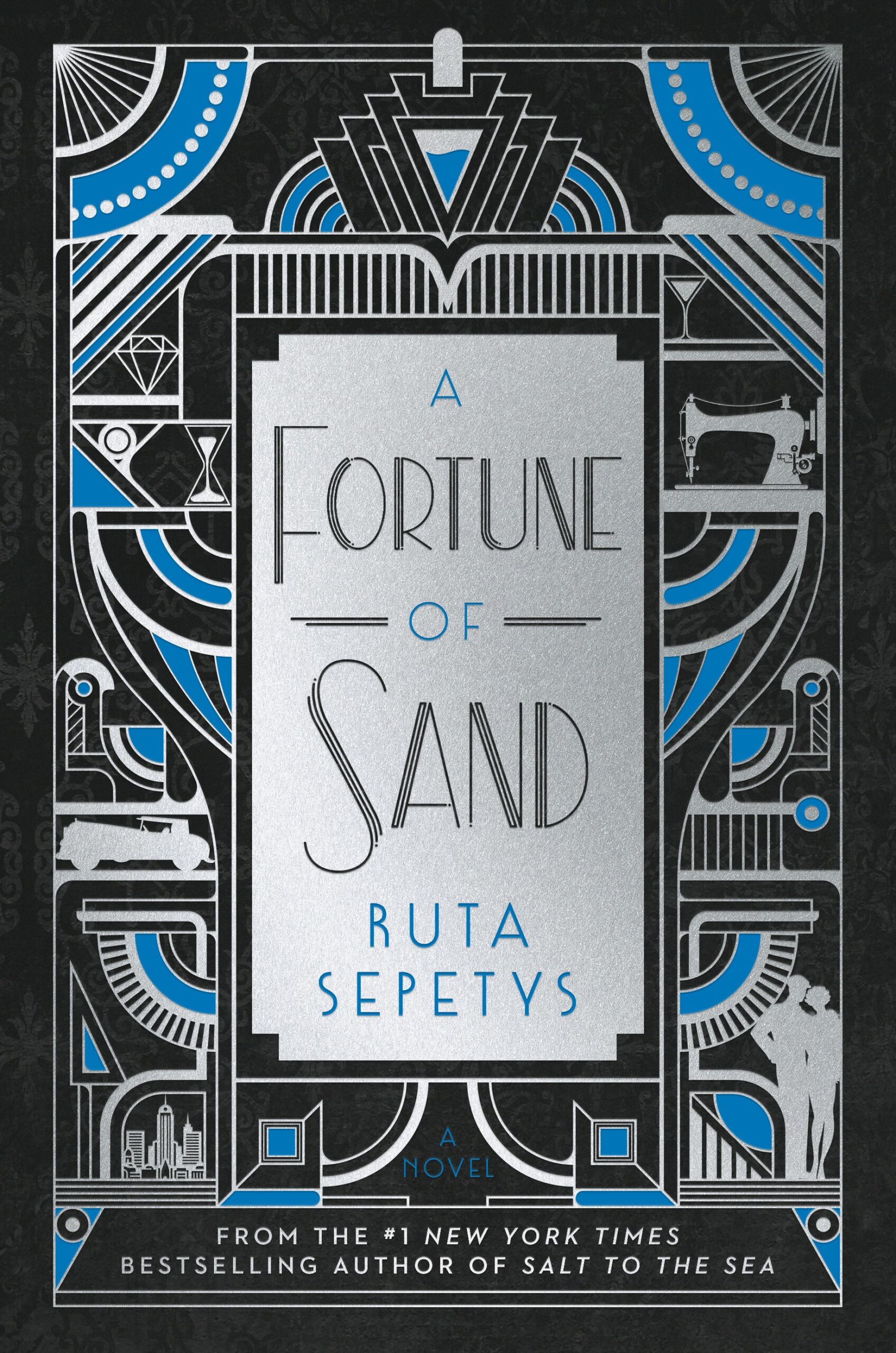
A Fortune of Sand
Detroit, 1927. A city of smoke and ambition, where glittering wealth conceals a graveyard of secrets.
Marjorie Lennox is the youngest daughter of a powerful Detroit dynasty—a family rich in money and poor in charm. Creative, reckless, and never quite what they wanted, Marjorie has spent her life overlooked by her controlling father and self-absorbed siblings. But when she secretly applies to an elite arts program backed by a mysterious patron, she grabs the chance to finally step out of her family’s shadow.
The building is grand.
The talent is extraordinary.
And something is deeply wrong.
The program is strict in ways that feel sinister. Doors lock at strange hours. Rumors spread about women going missing. And the handsome benefactor behind it all is as magnetic as he is unsettling. As Marjorie gets pulled deeper into his world, she must fight to discover the truth before she loses herself completely.
Set in the fading splendor of 1920s Detroit and inspired by real, long-buried events, A Fortune of Sand is a glittering, gothic page-turner about power, control, and the price women pay when they demand to be seen.