


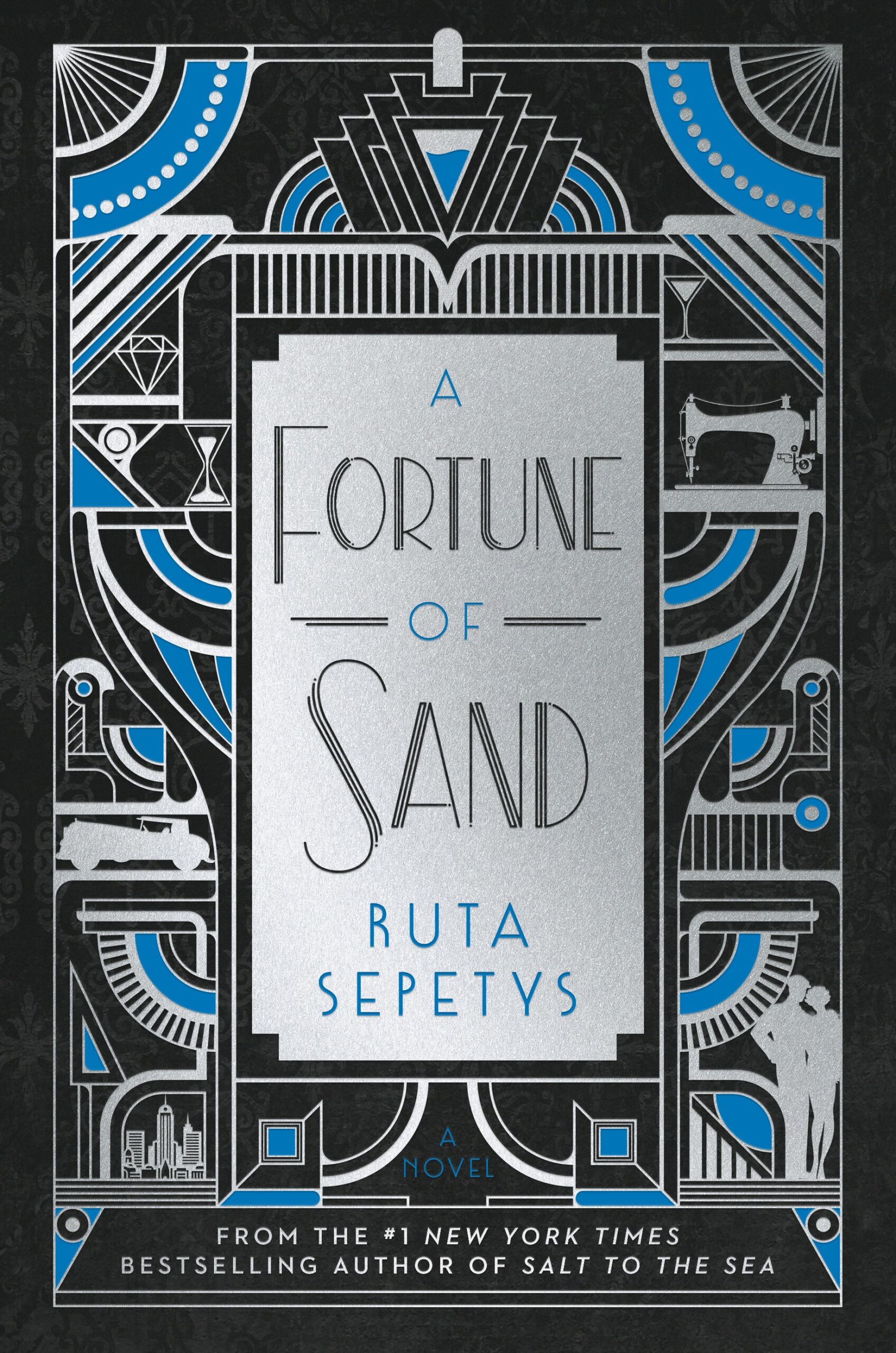
Take What You Can
A Deadly Episode

A Fortune of Sand

Detroit, 1927. A city of smoke and ambition, where glittering wealth conceals a graveyard of secrets.

Marjorie Lennox is the youngest daughter of a powerful Detroit dynasty—a family rich in money and poor in charm. Creative, reckless, and never quite what they wanted, Marjorie has spent her life overlooked by her controlling father and self-absorbed siblings. But when she secretly applies to an elite arts program backed by a mysterious patron, she grabs the chance to finally step out of her family’s shadow.

The building is grand.

The talent is extraordinary.

And something is deeply wrong.

The program is strict in ways that feel sinister. Doors lock at strange hours. Rumors spread about women going missing. And the handsome benefactor behind it all is as magnetic as he is unsettling. As Marjorie gets pulled deeper into his world, she must fight to discover the truth before she loses herself completely.

Set in the fading splendor of 1920s Detroit and inspired by real, long-buried events, A Fortune of Sand is a glittering, gothic page-turner about power, control, and the price women pay when they demand to be seen.


More Adult, Non-Juvenile Books

  • Riley's poetry captures the essence of rural American life in the late 19th and early 20th centuries, and his works continue to be studied and recited to this day.
  • “Back then, when I was a young woman, there were still witches”: That was how Nana Alba always began the stories she told her great-granddaughter Minerva—stories that have stayed with Minerva all her life. Perhaps that’s why Minerva has become a graduate student focused on the history of horror literature and is researching the life of Beatrice Tremblay, an obscure author of macabre tales. In the course of assembling her thesis, Minerva uncovers information that reveals that Tremblay’s most famous novel, The Vanishing, was inspired by a true story: Decades earlier, during the Great Depression, Tremblay attended the same university where [...]
  • In this affecting narrative, a defining masterpiece by the "dean of Western writers" (The New York Times), Wallace Stegner portrays more than three decades in the life of the Mason family as they struggle to survive during the lean years of the early twentieth century.
  • The Blacker the Berry (1929), Wallace Thurman’s debut novel, broke new ground as an exploration of issues of “colorism,” intra-racial prejudice, and internalized racism in African American life.